
Shopping Trolley Fleet Condition Audits: Repair or Replace?
August 07, 2026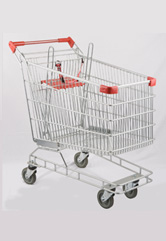
Use a shopping trolley fleet audit to identify repair priorities, replacement needs and availability issues—ask SOS Retail Sales about your sites.
A shopping trolley fleet audit records what is on site, the condition of the equipment and what action may be required. It replaces invented industry attrition percentages with information from the retailer’s own fleet. SOS Retail Sales provides trolley fleet management, maintenance, parts, hire and sales services for retail operations in Melbourne and Sydney.
What Should A Trolley Fleet Audit Record?
The audit should create a practical asset picture rather than treat every damaged trolley as an automatic replacement. SOS Maintenance reporting can include trolley quantity, condition, brand or make, accessories and recommendations. The scope can then distinguish serviceable units, repair candidates and equipment that should be considered for replacement.
Fleet Conditions That Need Attention
Retail teams should review issues that affect availability, presentation and normal trolley movement. Relevant observations include:
• Wheel and castor condition: Worn, damaged or poorly moving wheels can affect steering and increase the effort required to move a trolley.
• Frame and basket damage: Bent, sharp or heavily corroded sections may affect suitability for continued customer use.
• Handle and accessory condition: Damaged handles, child seats and accessories should be included in the repair assessment.
• Fleet availability: The number of serviceable trolleys should be compared with operational demand at each location.
• Recurring losses or retrieval issues: Site-specific patterns may indicate that management and retrieval processes need attention.
Repair Decisions Should Consider Use And Safety
A repair may involve available trolley parts and accessories, but the appropriate action depends on the unit’s condition and compatibility. SafeWork NSW identifies pushing and pulling trolleys as relevant manual-task considerations in its supermarket manual-task guidance. A fleet audit can inform maintenance decisions, but it does not replace the retailer’s workplace risk assessment.
Fleet reporting also supports procurement planning. Retailers can prioritise repairs, schedule replacement expenditure and identify whether temporary trolley hire may help during demand peaks. Recommendations should be based on inspected condition, not a fabricated national replacement rate.
Use The Findings To Set Priorities
An audit is most useful when it produces actions. Immediate hazards or unusable units should be handled under the retailer’s procedures. Repairable trolleys can be grouped by parts and labour requirements, while replacement candidates can be considered against budget and fleet demand. The report can also highlight locations where trolley availability regularly falls below operational needs.
A multi-site retailer may benefit from consistent condition categories so results can be compared between stores. However, recommendations should still reflect the trolley model, age, usage and available parts. We can discuss maintenance and supply options after the condition information is understood, instead of pushing every site towards the same replacement cycle.
The audit frequency should reflect fleet usage and the retailer’s maintenance system. High-use locations may need more frequent monitoring than smaller sites.
Arrange A Fleet Review
SOS Retail Sales supports supermarkets, shopping centres and other organisations with trolley supply and on-site maintenance. Contact us to discuss the number of sites, trolley types and current problems. We can outline a suitable fleet-management or maintenance approach.
Head Office VIC
SOS Retail Sales
16 Brett Drive,
Carrum Downs Vic 3201
Ph: 1300 131 383
Fax: 03 9775 0733
NSW Office
SOS Maintenance Services Pty Ltd
1/6 Smoothy Place, Arndell Park NSW 2148
Ph: 1300 131 383
Email: [email protected]
Optimized by NetwizardSEO.com.au